Just How Memory Treatment Homes Supply Necessary Support for Family Members in Need
Memory treatment homes play a crucial role in sustaining families facing the challenges of cognitive problems. These specialized centers offer customized care and develop safe atmospheres for locals. Households frequently find themselves overwhelmed with emotional and logistical worries. Nevertheless, memory care homes offer resources that can relieve these stress. As families browse this complicated journey, recognizing the various types of support available comes to be important. What details advantages can memory care homes use to both homeowners and their households?
Understanding Mental Deterioration and Its Effect on Family members
As family members browse the obstacles of mental deterioration, they usually locate themselves facing extensive psychological and functional effects. The diagnosis can evoke a series of feelings, consisting of temper, complication, and despair, as enjoyed ones battle to accept the gradual decline of a member of the family's cognitive capacities. Caretakers frequently experience increased stress and fatigue, typically compromising their own wellness and well-being in the process.Practical obstacles likewise emerge, as family members need to change everyday regimens, take care of complicated medical requirements, and make tough decisions concerning care choices. Interaction obstacles can exacerbate irritations, resulting in feelings of isolation amongst both individuals and caretakers. In addition, the economic problem of mental deterioration treatment can stress familial relationships, causing additional anxiety. Understanding these influences is crucial for households as they look for support and resources to navigate the trip of dementia, inevitably aiming for an equilibrium in between care and preserving domestic bonds.
The Duty of Memory Treatment Houses in Offering Specialized Treatment
Memory care homes play a crucial duty in supplying specialized care tailored to the special requirements of individuals with dementia. These facilities utilize skilled experts who understand the complexities of cognitive impairments, supplying support that advertises self-respect and high quality of life. Care plans are individualized, concentrating on each resident's toughness, preferences, and requires, which boosts their general well-being. Structured everyday tasks are made to boost cognitive function, motivate social interaction, and preserve physical health, promoting a feeling of regular and stability.Additionally, memory care homes prioritize communication with family members, supplying regular updates and support, which helps to ease the anxiety usually linked with caregiving. By producing an environment that is both appealing and helpful, these homes not only deal with the clinical aspects of mental deterioration yet also support emotional and psychological health. This thorough approach warranties that individuals obtain the specialized care required to navigate the obstacles postured by mental deterioration successfully.
Producing a Safe and Supportive Environment for Residents
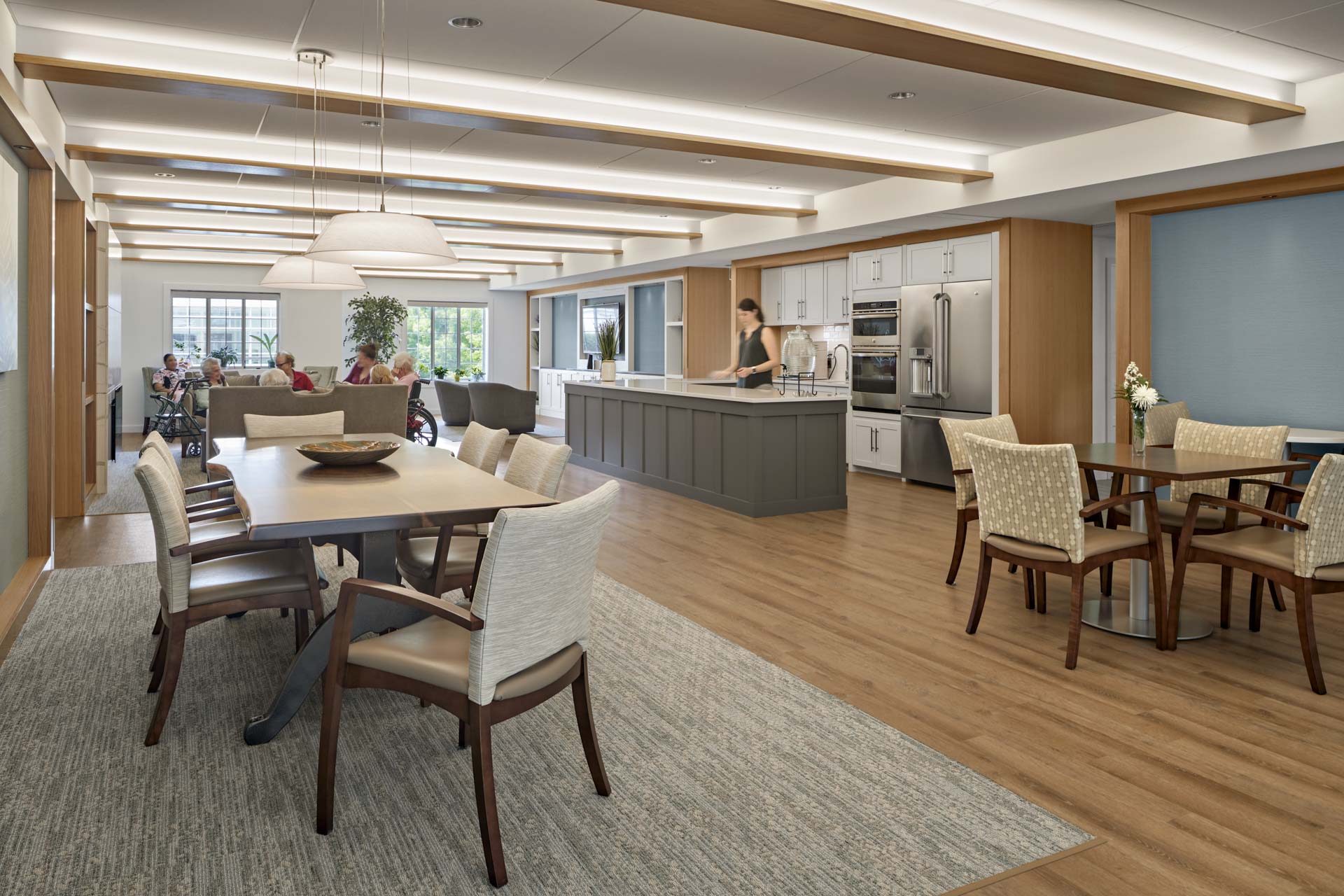
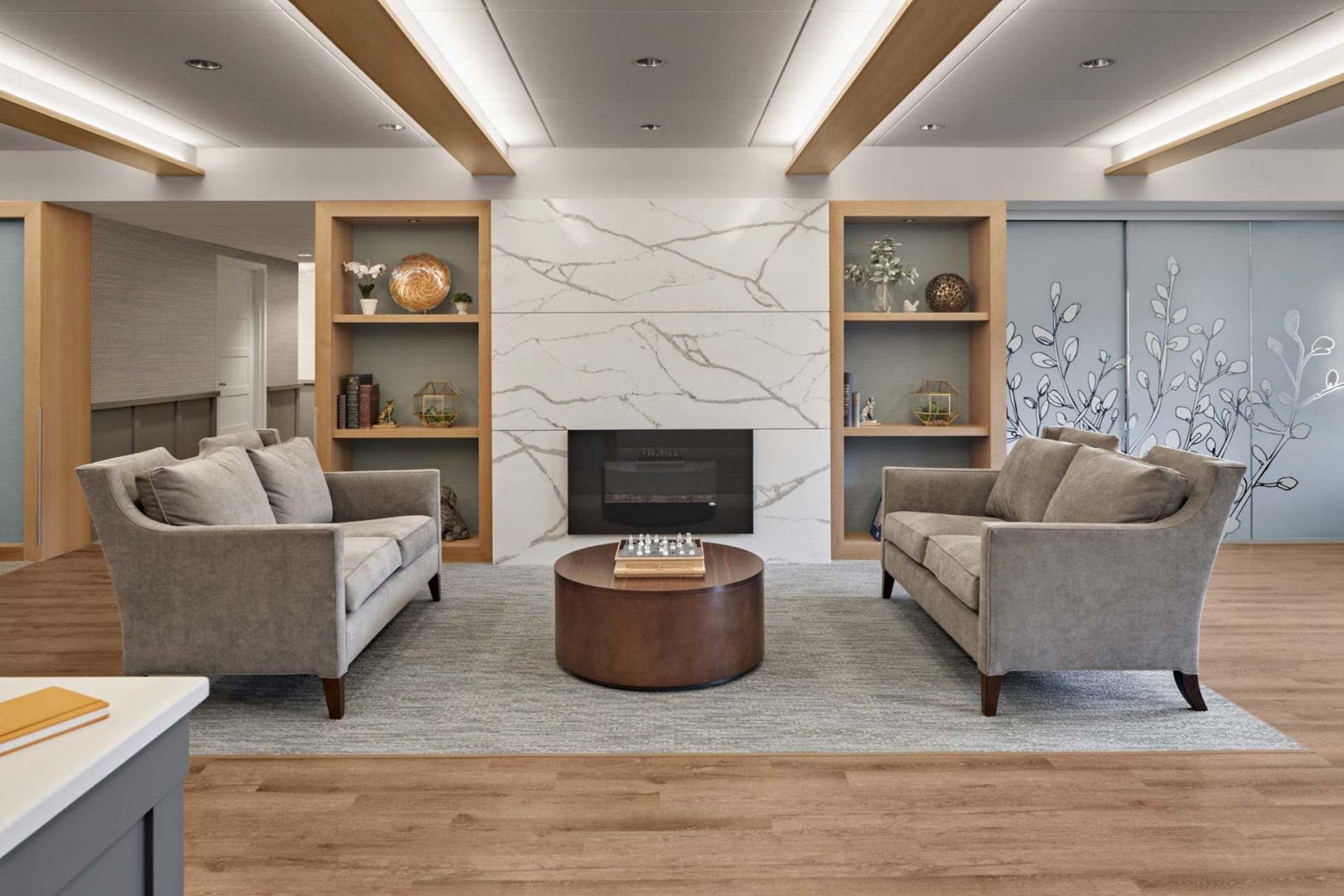
Producing a supportive and risk-free environment is vital for residents in memory treatment homes, as it directly affects their total health and lifestyle. These homes are made to minimize risks and advertise freedom, including secure formats that stop straying while supplying easy navigating. Team members are trained to recognize the special requirements of homeowners, making certain personalized care that promotes trust fund and comfort.Additionally, memory care homes typically include sensory-friendly components, such as familiar things and calming shades, which help to reduce anxiety and complication. Social activities customized to citizens' capacities encourage engagement and link, enhancing their feeling of belonging.The visibility of support team and area sources adds to an atmosphere of understanding and empathy, allowing locals to really feel valued and appreciated. Inevitably, a well-structured atmosphere plays a crucial role in sustaining cognitive function and psychological security, considerably improving the lives of those residing in memory care homes.
Psychological Assistance for Family Members: Therapy and Resources
While handling the obstacles of taking care of a loved one in a memory treatment home, family members usually require emotional support to deal with the complex sensations that develop. Memory care homes recognize this need and frequently offer access to counseling solutions and sources customized for member of the family. Professional therapists can promote conversations concerning anxiety, grief, and shame, assisting families navigate their emotions in a risk-free environment.Additionally, many memory care homes offer support system where families can get in touch with others dealing with similar difficulties, cultivating a sense of neighborhood and shared understanding. Educational workshops may also be available, furnishing family members with devices to better comprehend memory-related conditions and care strategies.These sources not only reduce emotional problems however additionally encourage households, enabling them to keep their health while sustaining their enjoyed ones. By doing this, memory care homes play a critical duty in making certain alternative support for family members in requirement.
Involving Tasks That Improve Lifestyle
Engaging tasks play a crucial function in boosting the lifestyle for locals in memory treatment homes, as they boost cognitive function and advertise social communication. These tasks are made to accommodate individual preferences and capabilities, guaranteeing that each local can take part meaningfully. Art treatment, music sessions, and gardening activities not just provide enjoyment but also aid evoke memories and foster imagination. Team exercises and video games encourage socializing, minimizing feelings of seclusion frequently experienced by individuals with memory impairments.Moreover, organized activities permit caregivers to observe homeowners' rate of interests and toughness, customizing future interactions as necessary. Regular engagement in these tasks can result in improved state of mind and overall health, making day-to-day live a lot more fulfilling. By developing an encouraging environment loaded with interesting possibilities, memory care homes encourage homeowners to preserve a feeling of function and link, inevitably boosting their high quality of life.
Communication Techniques for Family Members and Caretakers
Effective interaction is necessary for cultivating positive connections in between households, caretakers, and locals in memory care homes, as it can personalized memory care greatly affect the mental and psychological well-being of individuals with memory disabilities. Households should concentrate on clear, caring dialogue, using basic language and non-verbal cues to enhance understanding. Caretakers are urged to pay attention actively, validating locals' ideas and feelings, which can aid construct trust fund. Regular updates relating to the local's well-being can also facilitate transparency and ease households' problems. Developing regular interaction schedules, such as weekly meetings or telephone call, allows households to remain notified and included. In addition, making use of memory aids, such as picture cds or memory boxes, can function as discussion starters, connecting links and sparking memories. Eventually, cultivating an environment where open communication is focused on can greatly enhance the lifestyle for both locals and their family members, advertising an encouraging area.
The Financial Considerations of Memory Care Solutions
Comprehending the financial considerations of memory care services is important for households navigating the intricacies of lasting treatment. Memory treatment centers usually feature substantial prices, which can differ commonly based on area, services, and the degree of care required. Families have to examine their monetary situation, consisting of financial savings, insurance policy protection, and prospective federal government support programs, to identify just how to take care of these expenses (personalized memory care).Many households find that Medicare commonly does not cover long-term memory treatment, making it essential to check out personal insurance coverage options or various other financial sources. It is also recommended for families to make inquiries regarding repayment plans or monetary help used by memory treatment homes. Additionally, evaluating the complete expense of care over time can help households make notified decisions about the most ideal and lasting options for their liked ones. Proper monetary preparation eventually plays a substantial role in guaranteeing that needed care is accessible
Regularly Asked Inquiries
What Credentials Do Personnel Have in Memory Care Houses?
Employee in memory care homes generally have certifications such as levels in nursing, psychology, or community service, along with specialized training in dementia treatment, interaction strategies, and behavior administration to properly support locals' distinct requirements.
Exactly How Are Memory Treatment Houses Managed and Monitored for Top quality?
Can Families Take Part In Treatment Planning for Their Loved Ones?
Family members can undoubtedly take part in care preparation for their loved ones in memory treatment homes. This participation ensures that personal preferences and requirements are dealt with, promoting a collaborative method to improving the high quality of care given.
What Are the Visitation Policies for Families in Memory Treatment Homes?
Exactly How Can Family Members Deal With Shame When Positioning a Family Member in Care?
Households often experience regret when positioning an enjoyed one in care. Recognizing the necessity of expert assistance, looking for therapy, participating in open communication, and concentrating on the liked one's wellness can assist alleviate these sensations. Memory care homes play an important role in using specialized care tailored to the unique needs of people with mental deterioration. Personnel members are trained to understand the distinct needs of locals, guaranteeing customized care that fosters depend on and comfort.Additionally, memory treatment homes frequently incorporate sensory-friendly components, such as familiar items and soothing shades, which aid to minimize anxiety and complication. While handling the challenges of caring for a loved one in a memory treatment home, families usually call for emotional support to cope with the facility feelings that develop. Comprehending the financial factors to consider of memory care solutions is vital for households steering the complexities of long-term care. Households can indeed get involved in treatment planning for their enjoyed ones in memory treatment homes.